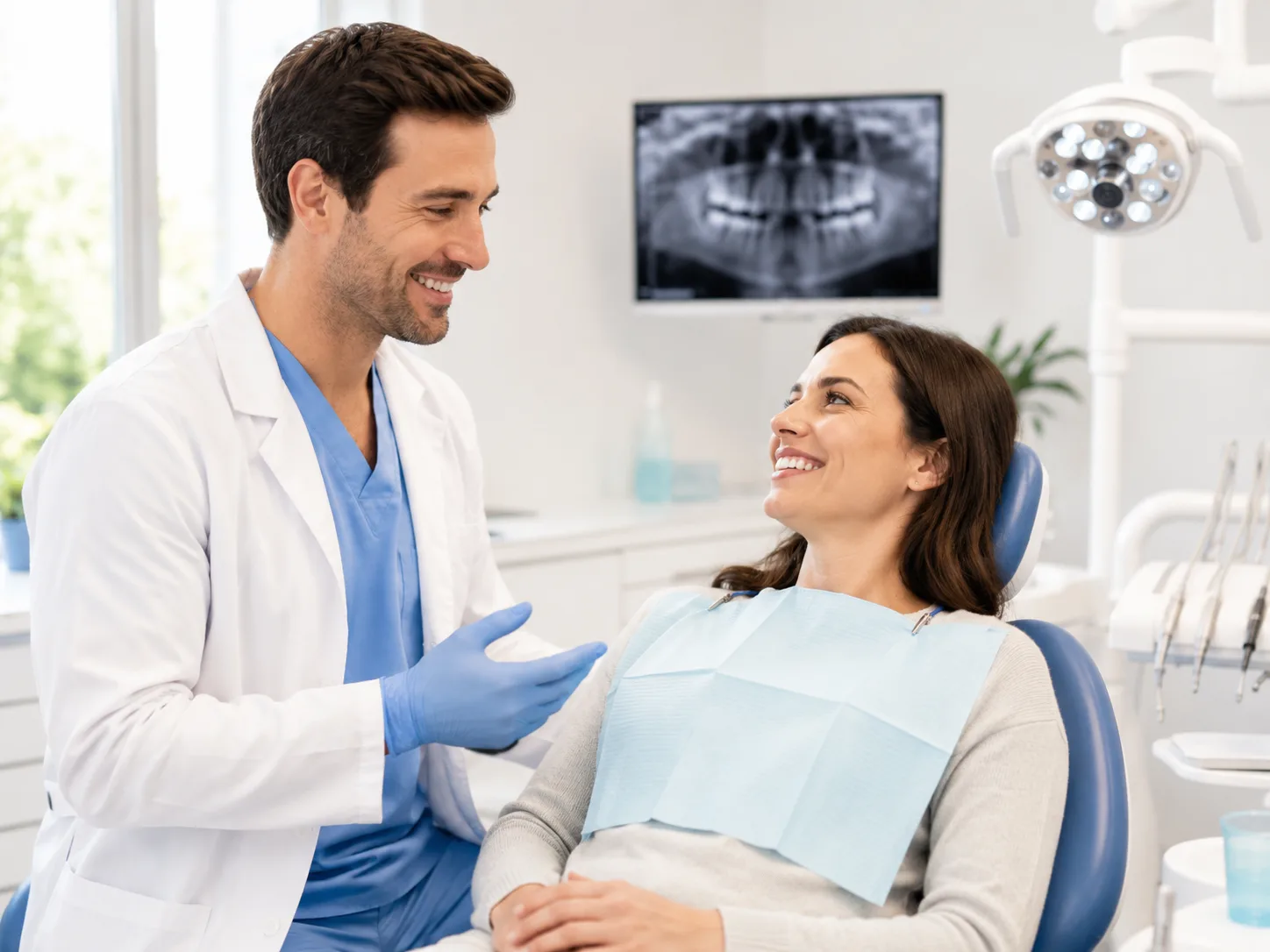
A missing tooth can change much more than the appearance of a smile. It may make favorite foods harder to enjoy, affect speech, or leave neighboring teeth without their usual support. Fortunately, modern implant dentistry offers a stable, natural-looking way to replace one tooth, several teeth, or even a complete arch.
For anyone researching implant dentistry Houston TX, understanding the process can make the next step feel much less intimidating. Dental implant care is not a single procedure with the same plan for everyone. It is a personalized process that considers oral health, bone support, medical history, comfort, and long-term goals.
Here is what patients should know before scheduling an implant consultation in Houston, Texas.
What Is Implant Dentistry?
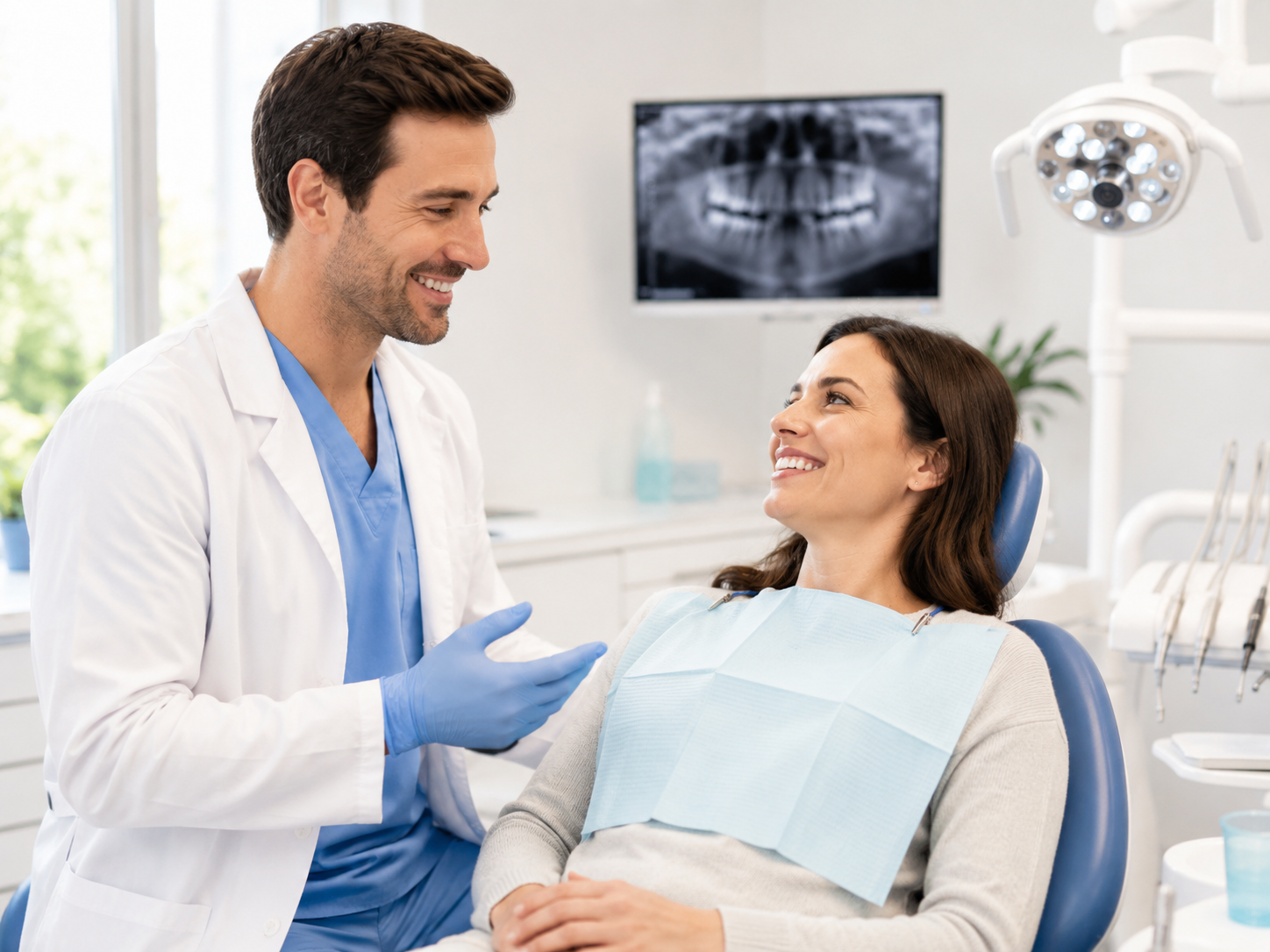
Implant dentistry focuses on replacing missing teeth with restorations supported by dental implants. An implant is a small post placed in the jawbone where a tooth root once sat. After the area heals and the implant becomes stable, it can support a crown, bridge, or denture.
Most implant restorations have three basic parts:
- The implant: The portion positioned in the jawbone.
- The abutment: A connector between the implant and replacement tooth.
- The restoration: The visible crown, bridge, or denture designed to restore appearance and function.
The biological process that helps an implant become stable is called osseointegration. During this process, living bone forms a functional connection with the implant surface. Research shows that healing and integration times vary considerably based on the implant, treatment method, bone condition, and individual patient factors. This is why a dentist creates a case-specific timeline rather than promising one standard completion date.
Common Types of Dental Implant Treatment
Single-Tooth Implants
A single implant and crown can replace one missing tooth without relying on the neighboring teeth for support. The crown is shaped and shaded to fit naturally with the surrounding smile.
Implant-Supported Bridges
When several adjacent teeth are missing, implants may support a bridge that replaces the full space. This approach may require fewer implants than placing one for every missing tooth, depending on the patient’s anatomy and treatment plan.
Implant-Supported Dentures
Dental implants can help stabilize a removable denture, reducing unwanted movement while eating or speaking. The denture may still be removable for cleaning, but it attaches to implant components for improved retention.
Fixed Full-Arch Restorations
Some patients who have lost most or all teeth in an arch may qualify for a fixed restoration supported by multiple implants. These cases require detailed planning because bone structure, bite forces, hygiene access, and the condition of any remaining teeth all influence the recommended design.
Potential Benefits of Dental Implants
Patients often explore implants because they want a replacement that feels secure and fits comfortably into everyday life. Depending on the individual case, potential benefits may include:
- Improved stability while chewing
- A replacement tooth designed to blend with the smile
- Support that does not depend entirely on adjacent natural teeth
- Better retention for certain dentures
- Restoration options for one tooth, several teeth, or a full arch
Implants are durable, but no dental treatment can be guaranteed to last forever. Long-term performance depends on appropriate planning, healthy healing, daily plaque control, professional maintenance, bite forces, and health habits.
Who May Be a Candidate for Implant Dentistry?
Many adults with missing or failing teeth can be evaluated for implants, but eligibility is determined through an examination. A suitable candidate generally needs healthy enough gums, adequate bone or a plan to rebuild it, and the ability to maintain the restoration at home.
A dentist will also review factors that can affect healing or treatment risk, including:
- Active gum disease or untreated tooth decay
- Smoking or nicotine use
- Diabetes and how well it is managed
- Medications that affect bleeding, bone, or immune response
- A history of radiation in the head or neck area
- Teeth grinding or heavy bite forces
- Previous implant complications
These concerns do not automatically rule out treatment. They help the clinical team decide whether additional care, medical coordination, or an alternative tooth-replacement option would be safer. A clinical review of implant complications identifies systemic health, bleeding concerns, bone quality, infection, surgical factors, and maintenance as relevant considerations in implant planning.
What Happens During the Implant Process?
1. Consultation and Examination
The process begins with a conversation about missing teeth, comfort, appearance, health history, and treatment goals. The dentist examines the teeth and gums and may use dental X-rays or three-dimensional imaging to evaluate bone, nearby tooth roots, nerves, and sinus anatomy.
This visit is also the right time to discuss anxiety, previous dental experiences, expected appointments, financial questions, and available comfort options.
2. Preparation, When Needed
Some patients need treatment before implant placement. That may include managing gum disease, removing a non-restorable tooth, or rebuilding lost bone. Preparatory care can lengthen the overall treatment process, but it may create a healthier and more predictable foundation.
3. Implant Placement
During placement, the area is numbed and the implant is positioned according to the planned location. The exact technique depends on the tooth site, bone condition, and restoration design. Patients should receive personalized instructions for managing the surgical area afterward.
4. Healing and Osseointegration
Implant recovery includes several distinct phases that should not be confused:
- Early symptom recovery involves the initial tenderness, swelling, or minor bleeding after placement. The experience and duration vary by patient and procedure.
- Soft-tissue healing refers to the gum tissue closing and maturing around the surgical area.
- Osseointegration is the deeper biological process through which bone develops a stable connection with the implant. It continues after the patient may already feel comfortable.
- Final restoration happens only when the dentist determines that the implant and surrounding tissues are ready. Completing the entire case may also require additional design, fabrication, and adjustment appointments.
A scientific review of dental implant surfaces found wide variation in assessed implant healing periods, reinforcing that integration cannot be reduced to one universal timeline. A temporary tooth may be possible in selected cases, but receiving a temporary restoration does not mean biological healing is complete.
5. Abutment and Final Restoration
Once the implant is ready, the dentist records the shape of the teeth and gums using impressions or a digital scan. A dental laboratory then creates the crown, bridge, or denture. After placement, the dentist checks the appearance, bite, comfort, and cleanability of the restoration.
Comfort, Recovery, and Warning Signs
It is normal for the surgical area to need time to settle. Patients should follow their clinician’s instructions regarding food choices, oral hygiene, physical activity, pain medication, and any prescribed rinses or medicines. Antibiotic decisions should be individualized; published research notes that routine preventive antibiotic use in implant surgery has remained an area of clinical debate.
Patients should contact the treating office if discomfort or swelling becomes worse instead of better, bleeding does not settle, the implant or temporary tooth feels mobile, or there are signs of infection such as drainage, fever, or a persistent unpleasant taste. Trouble breathing or swallowing requires urgent medical attention.
How to Care for Dental Implants
Implants cannot develop cavities, but the gums and bone around them can still become inflamed or infected. Daily care remains essential.
A maintenance routine may include:
- Brushing thoroughly around the restoration and gumline
- Cleaning between teeth and under bridges with recommended tools
- Attending routine dental examinations and professional cleanings
- Using a protective nightguard when advised for grinding
- Avoiding tobacco and nicotine products
- Reporting bleeding, swelling, looseness, or bite changes promptly
The best cleaning tool depends on the restoration. A single implant crown, implant bridge, and full-arch prosthesis may each require a different technique, so patients should ask for a hands-on demonstration.
What Affects the Cost of Implant Dentistry in Houston?
There is no single fee that applies to every implant case. An advertised price may cover only one component rather than the complete treatment. Patients should request a written estimate that explains what is included.
Cost can be influenced by:
- The number and location of missing teeth
- The number of implants required
- The need for extractions or bone grafting
- The type and material of the final restoration
- Imaging, sedation, laboratory, and follow-up needs
- Dental insurance benefits or financing arrangements
When comparing options, value includes more than the initial fee. Diagnostic planning, restoration quality, maintenance access, clear communication, and the availability of follow-up care all matter.
Choosing an Implant Dentistry Provider in Houston, TX
A good consultation should feel informative rather than rushed. Patients may want to ask:
- What treatment options are appropriate for this case?
- Who will place the implant and who will restore it?
- Is additional treatment needed before placement?
- What comfort or sedation options may be available?
- What are the important risks and alternatives?
- How will temporary teeth be handled, if needed?
- What is included in the estimate?
- What maintenance will the restoration require?
Dental Care and Implants of Spring provides general and implant dentistry for patients in Houston, Texas, with an emphasis on trust, transparency, and clear communication. A personalized consultation allows the dental team to evaluate oral health and explain realistic options without assuming that the same solution fits everyone.
Frequently Asked Questions
Does dental implant placement hurt?
The area is typically numbed during implant placement. Sensations and recovery vary with the complexity of the procedure and the individual patient. A dentist can explain local anesthesia, appropriate comfort measures, and whether sedation may be considered.
Can a patient receive a tooth on the same day?
Some patients may qualify for a temporary restoration at the time of implant placement. This depends on implant stability, bone quality, bite forces, and the type of restoration. Same-day temporary teeth do not mean the implant has finished integrating with the bone.
Are implants possible after years of missing teeth?
Possibly. Bone can change after tooth loss, but imaging can show how much support remains. Bone grafting or another restorative approach may be recommended when available bone is limited.
Can dental insurance cover implants?
Coverage varies widely. A plan may cover certain portions, such as the crown or extraction, while excluding others. Patients should request a detailed treatment estimate and verify benefits directly with the insurer.
Can dental implants fail?
Yes. Although implants can perform well, complications are possible. Healing problems, infection, inadequate bone support, smoking, health conditions, excessive bite forces, and poor maintenance may affect outcomes. Early evaluation of changes around an implant is important.
A Confident Next Step Toward Replacing Missing Teeth
Implant treatment can feel complex at first, but a clear evaluation breaks the process into manageable steps. The right plan should account for oral health, medical considerations, comfort, appearance, function, timing, and budget.
Patients considering implant dentistry in Houston Texas can contact Dental Care and Implants of Spring to ask questions and arrange a personalized consultation. An examination can clarify candidacy, alternatives, anticipated treatment phases, and the next practical step toward a healthier, more complete smile.