Blog
Tips, Facts, And The
Latest In Dentistry

Emergency Dentist in Houston, TX: What to Do When Dental Pain Can’t Wait
Posted on August 12, 2026 by Dentalcare and Implants

A sudden toothache, broken tooth, or swollen jaw can turn an ordinary day into a stressful one very quickly. Dental emergencies are uncomfortable, disruptive, and sometimes frightening—especially when a person is not sure whether the problem can wait until tomorrow or needs attention right away.
For patients searching for an emergency dentist in Houston, TX, the most important first step is knowing what counts as urgent and what to do next. Prompt dental care can help relieve pain, protect oral health, and reduce the chance that a smaller problem becomes more complicated.
Important note: This article is for general education only and does not diagnose any condition. Anyone with severe pain, swelling, fever, uncontrolled bleeding, trouble breathing or swallowing, facial trauma, or symptoms that feel life-threatening should seek urgent medical or dental care right away.
What Is Considered a Dental Emergency?
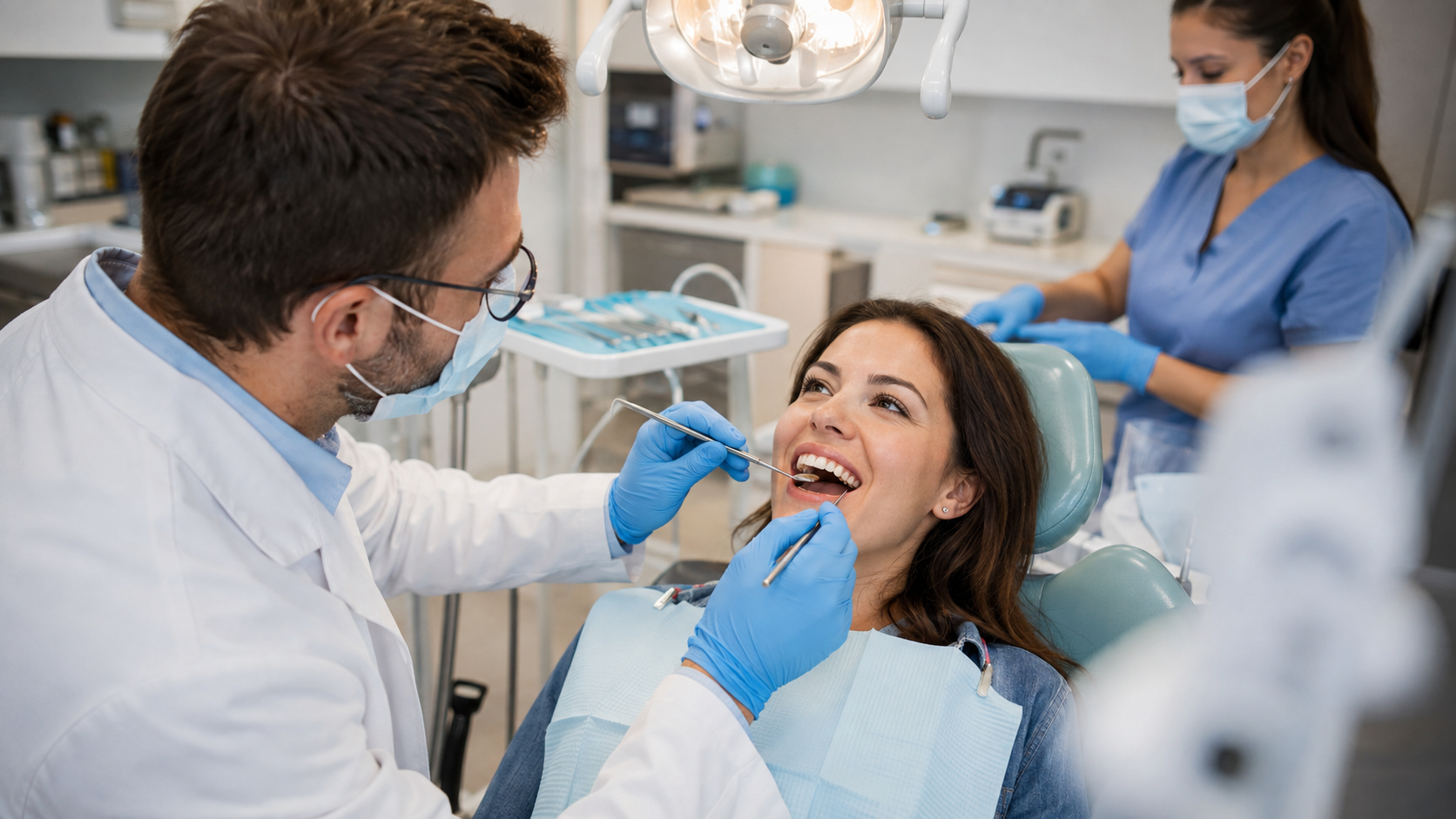
A dental emergency is any oral health problem that needs quick attention to relieve severe pain, stop bleeding, treat infection, or save a tooth. Some emergencies are obvious, such as a knocked-out tooth. Others may start as mild discomfort and become more serious over time.
Common dental emergencies include:
- Severe or persistent tooth pain
- A knocked-out adult tooth
- A cracked, broken, or chipped tooth causing pain
- Swelling in the gums, jaw, or face
- A dental abscess or pimple-like bump on the gums
- Bleeding that does not stop after an injury or procedure
- Lost fillings, crowns, or temporary restorations
- Pain from wisdom teeth or impacted teeth
- Injuries to the lips, cheeks, gums, or tongue
Not every dental problem requires same-day treatment, but symptoms that involve severe pain, swelling, trauma, or infection should not be ignored. When in doubt, calling a dental office is often the safest choice. A team member can help determine whether the situation sounds urgent and what steps to take before the visit.
Signs It Is Time to Call an Emergency Dentist in Houston, TX
Patients often wonder whether they are “overreacting” by calling for emergency dental care. In most cases, it is better to ask early than wait too long. Dental pain is the body’s way of signaling that something needs attention.
Severe Toothache That Does Not Go Away
A toothache may come from tooth decay, an infection, a cracked tooth, gum inflammation, grinding, or several other causes. Mild sensitivity may be monitored for a short time, but intense, throbbing, or constant pain should be evaluated as soon as possible.
Pain that wakes someone up at night, worsens with chewing, or lingers after hot or cold drinks can be a sign that the nerve inside the tooth is irritated or infected. An emergency dentist can examine the tooth, take X-rays if needed, and discuss treatment options to help address the source of the pain.
Swelling in the Face, Jaw, or Gums
Swelling can be a sign of infection, especially when it appears with pain, fever, a bad taste in the mouth, or a bump on the gums. Dental infections can spread if they are not treated, so swelling should be taken seriously.
If swelling affects breathing, swallowing, vision, or the ability to open the mouth, the patient should seek immediate medical attention. For localized dental swelling, an emergency dental visit can help identify the cause and determine the appropriate next step.
A Knocked-Out Adult Tooth
A knocked-out permanent tooth is one of the most time-sensitive dental emergencies. Quick action may improve the chances of saving the tooth, although no outcome can be guaranteed.
The tooth should be handled by the crown—the white chewing part—not the root. If it is dirty, it may be gently rinsed with milk or clean water, but it should not be scrubbed. If possible, the tooth can be placed back into the socket and held there gently. If that is not possible, it should be stored in milk or an emergency tooth preservation solution while the patient gets dental care immediately.
A Broken, Cracked, or Chipped Tooth
A small chip may not seem urgent if it does not hurt. However, a larger break, sharp edge, or crack that causes pain can expose sensitive inner layers of the tooth. This may increase the risk of infection or further damage.
Patients can rinse with warm water and avoid chewing on that side until they are seen. If a piece of the tooth broke off, it can be saved and brought to the appointment. A dentist can determine whether bonding, a crown, root canal therapy, or another treatment is appropriate.
Lost Filling or Crown
When a filling or crown falls out, the tooth underneath may feel sensitive or vulnerable. Even if the pain is mild, the tooth should be evaluated soon to reduce the risk of decay, fracture, or irritation.
Patients should avoid sticky or hard foods and keep the area clean. A lost crown should not be glued back in with household glue. If the crown is available, it can be brought to the dental visit so the dentist can decide whether it can be reused or needs replacement.
What to Do Before the Emergency Dental Appointment
The moments before a dental emergency appointment can feel overwhelming. A few simple steps may help protect the mouth and keep the patient more comfortable until a dentist can evaluate the problem.
- Rinse gently with warm water. This helps clear away debris and can soothe irritated tissues.
- Use a cold compress. For swelling or injury, a cold compress on the outside of the cheek may help reduce discomfort.
- Avoid chewing on the affected side. This can prevent additional pressure on a damaged or painful tooth.
- Save broken pieces or restorations. Bring tooth fragments, crowns, or appliances to the appointment if available.
- Use over-the-counter pain relief only as directed. Patients should follow the medication label or their clinician’s instructions and avoid placing aspirin directly on the gums, which can irritate tissue.
- Call the dental office. Explaining the symptoms helps the team recommend the right timing and preparation.
These steps are not a substitute for professional care. They are temporary measures to help until the patient can be examined.
How an Emergency Dentist Can Help
Emergency dental care focuses on identifying the cause of the problem, reducing discomfort, and protecting the tooth and surrounding tissues. The exact treatment depends on the diagnosis, the patient’s health history, the condition of the tooth, and the extent of the damage or infection.
During an emergency visit, the dental team may ask about symptoms, review medical history, examine the mouth, and take X-rays. From there, the dentist can explain what is happening in plain language and recommend options.
Possible Emergency Dental Treatments
Depending on the situation, treatment may include:
- Dental filling or bonding to repair a small area of damage or decay
- Dental crown to protect a weakened, cracked, or heavily restored tooth
- Root canal therapy when the inner pulp of the tooth is infected or inflamed
- Tooth extraction if a tooth cannot be predictably restored or poses a risk to oral health
- Abscess treatment to address infection and reduce pressure or swelling
- Re-cementing or replacing a crown when a restoration has come loose
- Stitches or soft tissue care for certain cuts or injuries inside the mouth
Modern dentistry offers many ways to make urgent care more comfortable. Local anesthetic, gentle techniques, digital imaging, and clear communication can help patients feel more at ease during a stressful visit.
When to Go to the Emergency Room Instead
An emergency dentist is often the right choice for tooth pain, broken teeth, and many oral infections. However, some symptoms need immediate medical attention at an emergency room or urgent care center.
A patient should seek emergency medical care if they have:
- Trouble breathing or swallowing
- Rapidly spreading facial or neck swelling
- Severe facial trauma or suspected broken jaw
- Uncontrolled bleeding
- High fever with dental swelling or infection symptoms
- Loss of consciousness or serious head injury
Medical teams can help stabilize serious conditions. A dentist may still be needed afterward to treat the tooth or oral source of the problem.
How to Prevent Dental Emergencies When Possible
Not every emergency can be prevented. Accidents happen, and teeth can crack unexpectedly. Still, many urgent dental problems begin with small issues that grow over time.
Patients can lower their risk by keeping up with preventive care and paying attention to early warning signs.
Keep Routine Dental Visits
Regular dental exams and cleanings allow the dentist to catch cavities, gum concerns, worn restorations, and bite issues before they become painful. A small cavity is usually easier to treat than a toothache caused by deep decay.
Use a Mouthguard When Needed
Sports, nighttime grinding, and clenching can all put extra stress on teeth. A custom mouthguard or nightguard may help protect the teeth from chips, cracks, and wear.
Do Not Ignore Sensitivity or Mild Pain
Tooth sensitivity that keeps returning, pain when biting, or bleeding gums may be early signs of a problem. Scheduling a dental visit sooner can help prevent an urgent situation later.
Avoid Using Teeth as Tools
Opening packages, biting fingernails, chewing ice, or cracking hard shells with teeth can lead to fractures. Teeth are strong, but they are not designed to work like scissors or pliers.
Choosing an Emergency Dentist in Houston, TX
When someone is in pain, choosing a dental office can feel urgent and stressful. It helps to look for a practice that communicates clearly, offers timely appointments when available, and makes patients feel heard.
Important qualities may include:
- A caring team that listens to symptoms and concerns
- Experience with tooth pain, broken teeth, infections, and urgent dental needs
- Clear explanations of treatment options and costs
- A focus on patient comfort and anxiety reduction
- Modern technology for diagnosis and treatment planning
- Convenient access for patients in the Houston and Spring area
Dental Care and Implants of Spring helps patients understand their options and take the next step with confidence. Whether the issue is sudden pain, a damaged tooth, or a concerning swelling, the goal is to provide thoughtful care in a calm, supportive environment.
What About the Cost of Emergency Dental Care?
The cost of emergency dental treatment varies because every situation is different. A simple recemented crown may cost less than a root canal and crown. An exam and X-ray may be needed before the dentist can recommend treatment and provide a more accurate estimate.
Patients should feel comfortable asking about fees, insurance, payment options, and treatment priorities. In some cases, the first visit may focus on relieving pain or stabilizing the problem, followed by a longer-term treatment plan.
No dental office should promise a one-size-fits-all solution before an exam. A careful evaluation helps the dentist recommend care that fits the patient’s needs, oral health, and budget considerations.
FAQ About Emergency Dental Care in Houston, TX
Is a severe toothache a dental emergency?
Yes, a severe or persistent toothache can be a dental emergency, especially if it affects sleep, chewing, or daily activities. It may be related to deep decay, infection, a cracked tooth, or another issue that needs professional care.
Can a chipped tooth wait?
A small chip without pain may not require same-day care, but it should still be evaluated. A chip with pain, a sharp edge, bleeding, or a large missing piece should be addressed more quickly.
What should someone do if a crown falls off?
The patient should save the crown, avoid chewing on that tooth, and call a dentist. Household glue should not be used. The dentist can determine whether the crown can be re-cemented or if a new restoration is needed.
Should antibiotics be taken for a dental infection?
Antibiotics are sometimes used for dental infections, but they do not replace dental treatment. A clinician must decide whether antibiotics are appropriate based on the patient’s symptoms, health history, and exam findings.
Can the emergency room treat tooth pain?
An emergency room can help with serious swelling, trauma, fever, uncontrolled bleeding, or medical complications. However, ER teams usually do not perform dental procedures such as fillings, crowns, or root canals. A dentist is typically needed to treat the source of tooth pain.
How quickly should a knocked-out adult tooth be treated?
A knocked-out adult tooth should be treated immediately. The sooner the patient reaches a dental professional, the better the chances may be of saving the tooth, though results cannot be guaranteed.
Relief Starts With a Call
Dental emergencies are never convenient, but patients do not have to navigate them alone. Pain, swelling, broken teeth, and lost restorations are all valid reasons to reach out for guidance.
For anyone looking for an emergency dentist in Houston, TX, Dental Care and Implants of Spring offers a reassuring place to start. A timely evaluation can help identify the problem, explain the options, and move toward relief with a plan that makes sense.
If a dental concern feels urgent, the next step is simple: call the dental office, describe the symptoms, and ask what to do next. The sooner a patient gets guidance, the sooner they can feel more confident about their smile and their health.