



What Is a Professional Dental Cleaning?
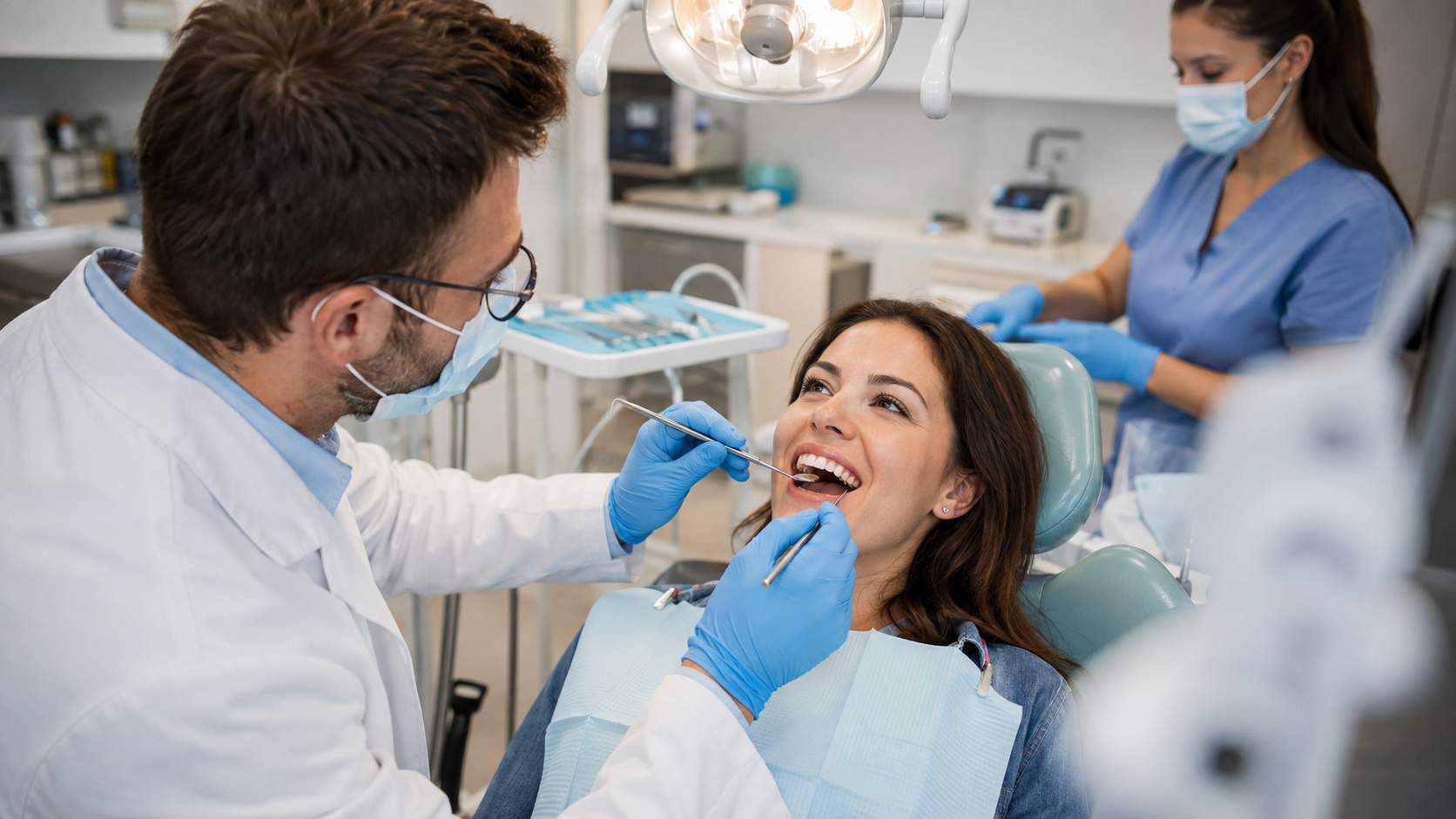
A professional cleaning removes plaque, hardened deposits commonly called tartar, and surface stains from the teeth. Although daily brushing and flossing are essential, tartar generally cannot be removed effectively with a toothbrush once it has formed.
A dental hygienist typically performs the cleaning using specialized hand instruments or an ultrasonic device. Particular attention is given to areas along the gumline, between teeth, and around dental restorations where buildup may collect.
A routine cleaning is also part of a broader preventive visit. Depending on the patient’s needs, the appointment may include a review of health changes, an examination by the dentist, gum measurements, and dental X-rays when clinically appropriate.
Why Regular Dental Cleanings Matter
Dental cleanings do more than make the teeth feel smooth. They support preventive care by removing buildup and allowing the dental team to look for changes that may not be obvious at home.
For example, tooth decay and gum problems do not always cause discomfort in their earliest stages. A preventive visit may identify areas that need closer monitoring before they become more complicated. The dentist can also check fillings, crowns, bridges, dentures, or dental implants for signs of wear or concerns that deserve attention.
Regular visits also provide an opportunity to improve a home-care routine. A hygienist may point out an area that is frequently missed, demonstrate a gentler brushing angle, or suggest tools that make cleaning around tight spaces or dental work easier.
What Happens During a Dental Cleaning Appointment?
Every visit is tailored to the patient, but a typical preventive appointment may include the following steps.
1. Health and dental history review
The dental team may ask about new medications, recent medical diagnoses, pregnancy, allergies, or changes in oral health. Patients should mention bleeding gums, sensitivity, jaw discomfort, dry mouth, or a tooth that feels different.
This information helps the team plan safe, appropriate care. Patients should also share any past dental anxiety or sensitivity before the cleaning begins.
2. Examination and gum assessment
The dentist or hygienist examines the mouth for visible concerns. Gum measurements may be taken to evaluate the spaces between the teeth and gums. These findings, together with the patient’s history and any necessary X-rays, help determine which type of cleaning is appropriate.
3. Plaque and tartar removal
The hygienist removes deposits from the tooth surfaces and around the gumline. Hand instruments may create a light scraping sensation. An ultrasonic instrument uses rapid vibration and water to loosen buildup. Patients may hear sounds or feel pressure, but they can request a pause at any time.
4. Polishing and flossing
After the deposits have been removed, the teeth are often polished to reduce certain surface stains and leave them feeling smoother. The hygienist may then floss between the teeth and check areas where food or plaque tends to collect.
5. Personalized recommendations
Before the visit ends, the dental team may discuss brushing, flossing, fluoride, nutrition, or follow-up care. If an examination reveals a concern, the dentist should explain the finding and available next steps so the patient can make an informed decision.
Routine Cleaning vs. Deep Cleaning
A routine cleaning and a deep cleaning are not interchangeable. The correct option depends on the condition of the gums and the location of the buildup.
A routine cleaning, sometimes called a prophylaxis, is generally intended for a mouth without active periodontal disease. It focuses mainly on deposits around and above the gumline.
A deep cleaning, also known as scaling and root planing, is a nonsurgical periodontal treatment. It may be recommended when an evaluation finds signs of gum disease and deposits below the gumline. The procedure cleans deeper areas around the roots of the teeth and may require local anesthetic for comfort.
Some patients assume that a deep cleaning is simply a more thorough version of a routine visit. In reality, it addresses a different clinical condition. A dental professional should make the recommendation only after evaluating the gums, measurements, X-rays when needed, and other relevant findings.
Does a Dental Cleaning Hurt?
Many patients experience little more than pressure, vibration, water, or mild scraping sensations during a routine cleaning. However, comfort can vary. Inflamed gums, exposed root surfaces, heavy buildup, or existing tooth sensitivity may make certain areas more tender.
Patients do not have to remain silent when something feels uncomfortable. Helpful steps may include:
- Telling the hygienist which teeth are sensitive before treatment begins
- Agreeing on a hand signal for breaks
- Requesting a slower pace or a different instrument when appropriate
- Asking whether a numbing option may be suitable
- Using headphones or controlled breathing to reduce anxiety
A supportive dental team should explain what is happening and check in throughout the visit. For patients who have delayed care because of fear or embarrassment, an honest conversation can help the team adapt the experience without judgment.
How Often Should Teeth Be Professionally Cleaned?
There is no single schedule that fits every patient. The recommended interval depends on gum health, cavity history, home care, dry mouth, tobacco use, medical factors, and the presence of braces, restorations, or dental implants.
Someone with stable oral health may need routine preventive visits on a different schedule than a patient managing periodontal disease. After an examination, the dentist can recommend an interval based on current findings rather than applying the same timetable to everyone.
How to Maintain a Clean Smile Between Visits
Professional care works best when paired with consistent habits at home. Patients can support their oral health by:
- Brushing thoroughly with fluoride toothpaste
- Cleaning between the teeth with floss or another recommended tool
- Using a soft-bristled toothbrush and gentle pressure
- Cleaning around crowns, bridges, braces, and implants as directed
- Limiting frequent exposure to sugary drinks and snacks
- Replacing a worn toothbrush or brush head
- Keeping recommended examinations and cleaning appointments
Bleeding during brushing or flossing should not automatically be dismissed as normal. Persistent bleeding, swelling, bad breath, gum recession, or loose teeth deserves professional evaluation.
What Affects the Cost of a Dental Cleaning in Houston?
The cost of a dental cleaning in Houston can vary based on the type of cleaning, whether an examination or X-rays are needed, insurance benefits, and the patient’s current oral health. A routine cleaning is billed differently from periodontal treatment such as scaling and root planing.
Before the appointment, patients may want to ask:
- What is included in the quoted fee?
- Will an examination or X-rays be needed?
- Is the office in network with the dental plan?
- Are preventive services subject to a deductible or frequency limit?
- Will an estimate be provided before additional treatment begins?
Insurance coverage is not the same as a clinical recommendation. The dental team determines what care is appropriate, while the insurance company determines what the plan will contribute under its terms.
Choosing a Dental Cleaning Provider in Houston, Texas
Convenience matters in a large city, but location should not be the only consideration. Patients can look for a dental office that communicates clearly, reviews findings before recommending treatment, welcomes questions, and takes concerns about sensitivity or anxiety seriously.
It is also reasonable to ask how the practice approaches preventive care, what to bring to a first visit, and how estimates are handled. A positive long-term relationship often starts with feeling heard and understanding why care is being recommended.
Frequently Asked Questions
Can someone eat before a dental cleaning?
In most cases, eating beforehand is acceptable. Brushing before the appointment may help the mouth feel fresh. If the visit may involve sedation, a surgical procedure, or another treatment with special instructions, the patient should follow the dental office’s directions instead.
Can a cleaning remove all tooth stains?
Polishing may reduce some external stains caused by foods, beverages, or tobacco. It will not necessarily change the natural shade of the teeth or remove discoloration located inside a tooth. The dentist can explain whether whitening or another cosmetic option may be appropriate.
Why do gums bleed during a cleaning?
Gums may bleed when they are irritated or inflamed, particularly if plaque and tartar have accumulated around the gumline. Other factors may also contribute. Frequent or unexplained bleeding should be evaluated rather than self-diagnosed.
What if it has been years since the last cleaning?
The best next step is simply to schedule an evaluation. The dental team can assess the current condition of the mouth and recommend suitable care. Patients should not assume that they need a deep cleaning until the gums have been examined.
Are cleanings different for dental implants?
Implants and implant-supported restorations require ongoing professional and home care. The dental team may use instruments and cleaning methods selected for the implant surfaces and surrounding tissues. Patients should ask for specific instructions based on the type of restoration they have.
Should a patient wait for tooth pain before seeing a dentist?
No. Some dental and gum concerns may not cause noticeable pain at first. Preventive appointments allow the dental team to monitor changes, while new pain, swelling, trauma, or other concerning symptoms may require a more prompt evaluation.
Take the Next Step Toward Preventive Dental Care
A dental cleaning can be a simple but valuable part of maintaining a comfortable, healthy smile. Knowing what to expect—and speaking openly about anxiety, sensitivity, or cost concerns—can make the visit feel much easier.
Patients looking for a dental cleaning in Houston, TX can contact Dental Care and Implants of Spring to ask about appointment availability and what to expect at a preventive visit in Houston, Texas. The team can answer questions and help determine an appropriate next step based on an individual evaluation.
This article provides general educational information and is not a diagnosis or substitute for care from a licensed dentist. Anyone experiencing tooth pain, facial swelling, uncontrolled bleeding, fever, or another urgent concern should seek prompt professional guidance.

