Blog
Tips, Facts, And The
Latest In Dentistry

General Dentistry Complete Guide Houston TX: Friendly Expert Tips for Comfort, Care, and Prevention
Posted on June 24, 2026 by Saflatounian

You’ll get a clear, practical roadmap to general dentistry in Houston so you can make confident choices for your smile. This guide explains what general dentistry covers, the preventive services and common treatments you’ll encounter locally, and how to pick a dentist who prioritizes comfort and modern care.
They’ll cover preventive tips for Houston families, how technology improves treatment, insurance and payment options, and when to seek emergency dental care. Expect straightforward explanations, real-world examples, and next steps to help schedule care or ask informed questions at your next visit.
Understanding General Dentistry
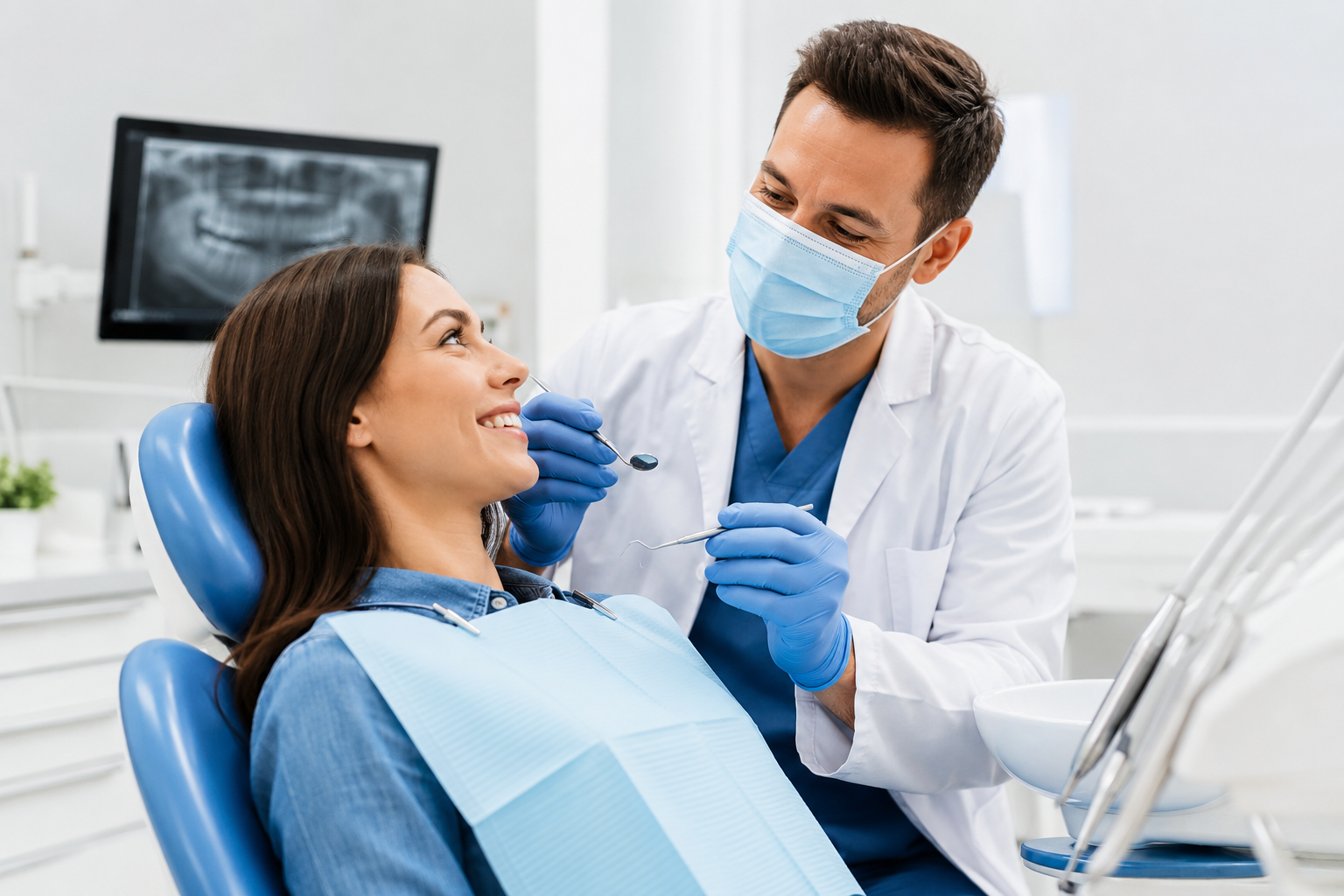
General dentistry covers routine preventive care, diagnosis, and common treatments that keep teeth, gums, and oral tissues healthy. It focuses on regular check-ups, cleanings, fillings, and basic restorative work to prevent small problems from becoming urgent ones.
Definition and Scope
General dentistry provides primary oral health services for patients of all ages. Typical services include oral exams, dental cleanings (prophylaxis), digital X-rays, fluoride treatments, sealants, and routine fillings for cavities.
Dentists in general practice also manage gum disease at early stages with scaling and root planing, monitor oral cancer through screenings, and offer simple tooth replacements like dental crowns and bridges. Many offices provide cosmetic touch-ups such as tooth-colored fillings and professional whitening to improve appearance while maintaining function.
Administrative and comfort features often matter as much as clinical care. General practices coordinate referrals to specialists when advanced procedures are needed and manage comprehensive treatment planning, insurance claims, and patient education on home care routines.
Who Needs General Dental Care?
Nearly everyone benefits from regular general dental care: children, adults, seniors, and people with chronic conditions. Children need early visits for cavity prevention and growth monitoring; adults require routine maintenance and periodic restorative work; seniors often need care for bone loss, root caries, and denture maintenance.
Patients with diabetes, heart disease, or a history of smoking should see a general dentist more frequently because systemic health affects oral health. Pregnant people also benefit from routine care to reduce risks of gum disease and its potential pregnancy-related complications.
People who notice symptoms—tooth pain, bleeding gums, persistent bad breath, or loose teeth—should seek a general dentist first. The general dentist acts as the primary point of care: they treat common problems and coordinate specialty care when procedures exceed general-scope services.
How It Differs From Specialty Dentistry
General dentists handle a broad range of everyday dental needs, while specialists focus on specific procedures or areas. For example, endodontists perform root canals on complex cases, periodontists treat advanced gum disease and place dental implants, and orthodontists correct tooth alignment with braces or clear aligners.
Referral to a specialist happens when treatment requires specialized training, tools, or long-term care planning. General dentists perform many common procedures themselves but will refer for surgical extractions, complex implant cases, full-mouth reconstruction, and pediatric behavioral management when needed.
Patients should expect continuity of care: the general dentist remains involved in diagnosis, pre- and post-procedure management, and long-term preventive planning even after a specialist provides treatment. This coordination helps ensure treatments stay aligned with the patient’s overall dental health goals and comfort.
Core Preventive Services
These services focus on early detection, plaque control, and strengthening enamel to reduce cavities, gum disease, and the need for restorative work. Regular exams, professional cleanings, and targeted fluoride applications form the backbone of ongoing oral health maintenance.
Routine Dental Checkups
Routine dental checkups usually occur every six months but may be scheduled more or less often based on risk factors like diabetes, smoking, or a history of gum disease. During a visit, the dentist performs a visual exam, probes the gums to measure pocket depths, and inspects previous restorations for wear or leakage.
Digital X-rays or intraoral photos help identify decay between teeth, bone loss, or developing problems not visible to the naked eye. The dental team reviews medical history, updates medications, and discusses symptoms such as sensitivity or bleeding gums. They also provide a personalized care plan and timeline for follow-up visits.
Patients benefit from early treatment recommendations that can avoid larger, costlier procedures later. Checkups also give the dentist a chance to educate the patient on brushing technique, interdental cleaning, and lifestyle changes that directly reduce oral disease risk.
Professional Cleanings
Professional cleanings (prophylaxis) remove tartar and plaque that regular brushing cannot eliminate, especially along the gumline and between teeth. A dental hygienist uses ultrasonic scalers and hand instruments to break up and remove hardened deposits.
After scaling, the hygienist polishes teeth and may apply an antimicrobial rinse or localized treatment to reduce bacteria. For patients with periodontal disease, the practice offers scaling and root planing, a deeper cleaning done under local anesthesia when needed.
Cleanings also include patient education tailored to the individual’s oral environment. The hygienist will demonstrate recommended brushes, flossing aids, or interdental brushes and set realistic daily goals to maintain results between visits.
Fluoride Treatments
Fluoride treatments strengthen enamel by promoting remineralization and making teeth more resistant to acid attacks from bacteria and sugar. Dentists apply fluoride varnish, gel, or foam directly to the teeth for a few minutes; the procedure is quick and noninvasive.
High-concentration fluoride is especially important for patients with dry mouth, orthodontic appliances, or a history of frequent cavities. Children often receive professionally applied varnish at shorter intervals, while adults at higher risk may get quarterly applications.
The dental team advises on complementary at-home fluoride use, such as prescription-strength toothpaste or mouthrinse, and provides guidelines to avoid eating or rinsing for 30–60 minutes after an in-office application to maximize uptake.
Common Dental Treatments in Houston
This section explains routine restorative and periodontal care that most patients need at some point. It highlights practical details — what each treatment involves, how long it takes, costs to expect, and recovery tips.
Cavity Fillings
Cavity fillings repair tooth decay and prevent infections from spreading. Dentists in Houston commonly use composite (tooth-colored) resin for front and visible teeth and amalgam or gold for some posterior restorations when durability is the priority.
Typical steps: the tooth is numb with local anesthesia, decayed material is removed with a drill or air abrasion, the cavity is cleaned and etched, and the filling material is placed and shaped. Appointments usually take 20–60 minutes depending on size and location of the cavity.
Recovery is immediate for most patients; mild sensitivity for a few days is common and managed with OTC pain relievers. Costs range widely — expect $100–$250 for a simple composite filling and more for larger or multiple-surface restorations. Many Houston practices offer same-day restorations with CAD/CAM crowns if decay is extensive.
Tips:
- Schedule fillings promptly to avoid root canal or extraction.
- Ask about bite adjustment if the tooth feels high after treatment.
- Verify insurance coverage and inquire about in-office financing.
Gum Disease Therapy
Gum disease therapy treats inflammation and infection of tissues supporting the teeth, from gingivitis to advanced periodontitis. Effective treatment focuses on removing bacterial plaque and restoring healthy gum attachment.
Non-surgical care starts with a deep cleaning called scaling and root planing to remove plaque and calculus below the gumline. This often requires two visits and local anesthesia. Dentists may follow with topical or oral antibiotics, antimicrobial rinses, and tailored home-care programs for brushing and interdental cleaning.
If pockets remain deep or bone loss is present, periodontal surgery such as flap surgery, bone grafting, or guided tissue regeneration may be recommended. Recovery varies: non-surgical therapy has minimal downtime, while surgical procedures may need several weeks for healing and follow-up maintenance every 3–4 months.
Practical points:
- Early-stage gingivitis is reversible with professional cleaning and improved home care.
- Smoking and uncontrolled diabetes increase risk and complicate healing.
- Ask the Houston office about periodontal maintenance plans and risk-based recall intervals.
Patient Comfort and Experience
The practice prioritizes a calm, efficient visit and offers clear options for managing anxiety and pain. Staff focus on small details that reduce stress, from appointment pacing to explaining steps in plain language.
Welcoming Environment
The waiting area features comfortable seating, natural light, and low-volume music to reduce sensory overload. Reception staff confirm insurance and estimated costs before treatment so patients avoid billing surprises.
Operatories use noise-minimizing equipment and scented-free cleaning products to accommodate sensitivities. Clinicians introduce themselves, outline each procedure in simple terms, and review expected time and sensations so patients know what to expect. Patients are offered noise-cancelling headphones, blankets, and a hand signal to pause treatment if they need a break.
Scheduling includes staggered appointments to shorten wait times and allow extra preparation for nervous patients. For pediatric or special-needs visits, caregivers can remain nearby and staff allocate longer chair time to build trust.
Pain Management Techniques
Clinicians assess pain history and medical conditions before any procedure to tailor anesthesia safely. Local anesthetics with buffered solutions reduce the sting of injections and onset is checked before work begins.
For patients with dental anxiety, oral sedatives or nitrous oxide (laughing gas) provide mild to moderate relaxation and wear off quickly. IV sedation is available for complex or lengthy procedures and includes continuous monitoring by trained personnel.
Non-pharmacologic methods—topical numbing gels, practice breathing techniques, and distraction via music or TV—help lower perceived discomfort. Post-procedure pain control follows a clear plan: prescription or over-the-counter recommendations, ice application instructions, and a 24-hour contact for any unexpected pain or concerns.
Modern Technology in Local Practices
Local practices invest in tools that speed diagnosis, reduce radiation, and make procedures more comfortable. Patients benefit from clearer imaging, more precise treatment planning, and shorter visits.
Digital X-Rays
Digital X-rays cut radiation exposure by up to 80% compared with film and produce images instantly on a chairside monitor. Dentists use these high-resolution images to spot cavities between teeth, assess root anatomy before a root canal, and monitor bone loss around implants and teeth.
Images can be enhanced — brightness, contrast, and zoom — which helps clinicians explain findings to patients during the visit. Digital files integrate with electronic health records, making referrals and insurance claims faster. Portable and intraoral sensors improve comfort for patients with small mouths or gag reflex concerns. Clinics also store long-term images for tracking changes over years without repeated high-dose imaging.
Advanced Diagnostic Tools
Cone beam CT (CBCT) provides three-dimensional views critical for implant placement, impacted tooth assessment, and complex endodontic cases. It shows bone height, nerve locations, and sinus anatomy, allowing clinicians to plan surgeries with millimeter precision and reduce surprises during procedures.
Intraoral cameras capture close-up photos and videos of teeth and soft tissue, aiding patient education and documentation. Digital caries detection devices and laser fluorescence help find early decay that X-rays may miss. Combined, these tools support minimally invasive treatment decisions, improve communication with specialists, and increase treatment predictability — all while prioritizing patient comfort and safety.
How to Choose the Right Dentist
Choosing a dentist affects comfort, treatment quality, and long-term oral health. Prioritize licensed training, a calm clinic environment, and reliable patient feedback when comparing practices.
Credentials and Qualifications
Verify state licensure and specialty certifications first. The Texas State Board of Dental Examiners website lists active licenses and disciplinary actions; confirm the dentist’s name and license number there.
Look for advanced training for specific needs. For example, a dentist who offers dental implants should have continuing education certificates in implantology or a referral relationship with a credentialed oral surgeon. Pediatric dentistry, endodontics, or periodontics require board certification or specialty degrees—these matter for complex care.
Check membership in professional organizations like the American Dental Association (ADA) or Texas Dental Association (TDA). Membership signals ongoing education and adherence to ethical guidelines. Also review residency or hospital privileges for experience with difficult cases.
Ask about infection-control protocols and technology. On-site digital X-rays, intraoral cameras, and CAD/CAM restorations indicate investment in modern care. Confirm whether the practice follows CDC infection-control recommendations and uses current sterilization documentation.
Clinic Atmosphere
Assess cleanliness and organization on a short visit or virtual tour. Clean, uncluttered reception and treatment rooms reflect consistent infection control and staff training.
Consider appointment flow and wait times. Practices that manage schedules well give realistic appointment durations and minimize unnecessary waiting, which reduces anxiety for nervous patients.
Gauge staff demeanor and communication style. Friendly, patient staff who explain procedures clearly and respect privacy help patients feel safe. Note whether the team asks about dental anxiety or offers sedation options when appropriate.
Evaluate accessibility and convenience. Location, parking, office hours (early mornings, evenings, weekends), and online appointment booking are practical factors. Also check if the office accepts preferred insurance plans or offers transparent fee estimates.
Patient Reviews
Read multiple sources for balanced feedback—Google, Yelp, Healthgrades, and the practice’s Facebook page. Focus on recent reviews within the last 12–24 months to see current performance.
Pay attention to patterns, not single complaints. Repeated praise for gentle care, clear explanations, and follow-up calls indicates consistent strengths. Recurring complaints about billing, long waits, or unreturned calls suggest operational issues.
Look for mentions of specific procedures similar to the reader’s needs. If several patients describe positive implant or root canal experiences, that signals proven competence. Conversely, reports about rushed visits or poor pain control are red flags.
Contact the office with a question before booking. How quickly and courteously staff respond by phone or email often mirrors in-office service. A prompt, helpful reply reinforces confidence in scheduling a consultation.
Preventive Tips for Houston Families
Practical steps at home, thoughtful food choices, and timely dental visits keep teeth healthy and reduce costly treatments. These tips focus on actions families can do daily, what to eat and avoid, and when to schedule checkups.
Daily Oral Hygiene Habits
Families should brush twice daily for two minutes with a soft-bristled toothbrush and fluoride toothpaste. Brushing removes plaque that causes cavities and gum disease; use gentle circular motions and cover all tooth surfaces.
Flossing once a day cleans between teeth where brushes can’t reach. Children under 10 may need parental help; use waxed floss or floss picks for easier handling and a floss threader for braces.
Add an alcohol-free fluoride mouthwash for those at higher risk of decay. Replace toothbrushes every 3–4 months or after illness. For toddlers, switch to a smear of fluoride toothpaste and begin flossing as soon as teeth touch.
Healthy Diet Choices
Limit sugary drinks, juice boxes, and sticky candies that cling to teeth and fuel decay. Choose water, milk, and whole fruits; fiber-rich vegetables and cheese help neutralize acid and stimulate saliva.
Encourage meals instead of constant snacking to reduce acid attacks on enamel. If snacking, pick tooth-friendly options: nuts, yogurt, raw vegetables, and sugar-free gum with xylitol after meals.
Watch sports drinks and energy drinks; they combine sugar and acid and should be rare. For children, choose fluoride-containing bottled water only if local tap water lacks fluoride; otherwise tap water is usually the best option.
Importance of Regular Visits
Schedule dental exams and cleanings every six months or as the dentist recommends based on risk. Professional cleanings remove tartar that daily brushing cannot, and exams catch small problems before they become major.
Pediatric visits establish comfort and monitor growth, bite development, and fluoride needs. Adults benefit from screening for gum disease, oral cancer, and conditions like sleep apnea that affect oral health.
Discuss sealants for children’s molars and fluoride treatments for high-risk patients during visits. Promptly address tooth pain, chips, or swelling—early treatment saves time, money, and discomfort.
For questions or to schedule an appointment, families are encouraged to consult their local Houston dental practice.
Dental Insurance and Payment Options
Most patients want clear costs, which plans cover specific services, and whether the practice offers payment flexibility. This section explains how common insurance terms apply in Houston practices and what alternative payment methods patients can expect.
Understanding Coverage
Patients should verify whether a plan is PPO, HMO, or an indemnity plan because each affects provider choice and reimbursement. PPOs typically allow out-of-network visits with higher patient responsibility; HMOs require choosing in-network dentists and often need referrals for specialists.
Common covered services include routine exams, cleanings, and X-rays, usually at 80–100% for preventive care. Major services—crowns, root canals, implants—often carry waiting periods and lower coverage percentages. Annual maximums (commonly $1,000–$2,000) and deductibles (often $50–$250) directly affect out-of-pocket costs.
Request a pre-treatment estimate for costly procedures to avoid surprise bills. The office can submit predeterminations to insurers and explain patient responsibility, benefits codes (D0120, D1110, D2740), and coordination of benefits for dual coverage.
Flexible Payment Plans
Many Houston practices offer in-office payment plans and third-party financing to spread costs for treatments like crowns, implants, and orthodontics. Options include interest-free plans for 6–12 months or longer-term plans with fixed interest through companies such as CareCredit or Proceed Finance.
Offices often accept major credit cards, checks, and contactless payments. Some provide sliding-scale fees or discounts for full upfront payment; ask about promotional pricing on specific services. For uninsured patients, bundled treatment pricing or phased treatment plans can make comprehensive care more affordable.
Patients should request written estimates with payment schedules and confirm any finance charges or returns policies. Clear documentation helps patients compare options and plan treatment without unexpected financial stress.
When to Seek Emergency Dental Care
Severe tooth pain that comes on suddenly or won’t stop for more than 24 hours can signal an infection or nerve damage. They should contact a dentist promptly to reduce the risk of spreading infection and to get pain relief.
A broken, knocked-out, or visibly loose tooth after trauma requires immediate care. For a knocked-out tooth, keep it moist in milk or saliva and get to a dentist within an hour if possible.
Swelling of the face, jaw, or neck, especially if it affects breathing or swallowing, can indicate a serious infection. These signs warrant urgent evaluation and may require antibiotics or drainage.
Uncontrolled bleeding from the mouth after a dental procedure or injury is an emergency. Apply gentle pressure with gauze and seek immediate professional help if bleeding does not slow.
Persistent fever with dental pain or a bad-tasting discharge from a tooth suggests an abscess. They should avoid home remedies alone and arrange same-day dental treatment.
Lost fillings or crowns that expose a nerve or cause severe sensitivity may need same-day attention to prevent further damage. Temporary measures like dental cement can help until a dentist restores the tooth.
For uncertain situations, contacting a local Houston dental office or emergency clinic provides guidance on whether to come in. They can give tailored instructions and help prioritize care to protect oral and overall health.
Next Steps to a Healthy Smile
They should schedule a comprehensive exam with a trusted Houston general dentist to evaluate current oral health and create a personalized plan. Regular checkups every six months help catch small problems before they become larger and more costly.
Patients should adopt a simple daily routine: brush twice with fluoride toothpaste, floss once, and use an antibacterial mouthwash if recommended. Small consistent habits protect against cavities and gum disease.
Dentists may recommend preventive treatments like dental sealants, fluoride varnish, or custom night guards for bruxism. These options reduce risk and preserve natural teeth with minimal discomfort.
For cosmetic or restorative concerns, they should discuss options such as tooth-colored fillings, crowns, or clear aligners. Modern materials and techniques focus on natural appearance and patient comfort.
If anxiety or sensitivity is a barrier, they can ask about sedation options and gentle-care protocols. Many Houston practices offer sedation dentistry and flexible appointment lengths to improve the experience.
Practical next steps:
- Call or book online for a new-patient exam.
- Bring medical history and a list of medications.
- Prepare questions about costs, insurance, and treatment timelines.
They are encouraged to contact their dental team with questions or to schedule care. A quick consultation clarifies options and starts the path toward a healthy, confident smile.
Frequently Asked Questions
This section answers practical questions about scheduling, what happens during exams, choosing a dentist, treating sensitivity, when fillings suffice, and daily prevention steps. Each answer gives specific timelines, common signs, and clear actions patients can take in Houston.
How often should I schedule dental checkups and cleanings to keep my smile healthy?
Adults should schedule exams and cleanings every six months for routine preventive care and oral cancer screening. Patients with active gum disease, diabetes, or a history of frequent cavities may need visits every three to four months.
Children typically see the dentist every six months once teeth erupt. Orthodontic care, rapid decay risk, or growth concerns can shorten that interval.
What should I expect during a routine dental exam and professional cleaning?
The visit begins with a health history update and questions about pain, medications, or changes in medical status. The dentist performs an oral cancer screen, checks teeth and gums, and reviews X-rays if needed.
The hygienist scales plaque and tartar, polishes teeth, and applies fluoride or sealants when indicated. The team ends with personalized home-care tips and any recommended follow-ups or treatments.
How do I choose the right dentist for my family based on comfort, communication, and care options?
Look for a dentist who explains diagnoses in plain language and reviews treatment options, costs, and insurance coverage upfront. Read patient reviews for mentions of gentle technique, clear communication, and staff friendliness.
Confirm the office offers sedation choices, pediatric care, and modern technology like digital X-rays or intraoral cameras. Schedule a short consultation to assess comfort, clinic cleanliness, and whether the team listens and answers questions thoroughly.
What are the most common causes of tooth sensitivity, and what simple treatments can help?
Sensitivity usually stems from enamel loss, gum recession exposing dentin, cracked teeth, or recent dental work. Acidic foods, aggressive brushing, and teeth grinding often accelerate symptoms.
Start with desensitizing toothpaste used twice daily and switch to a soft-bristled brush with gentle technique. If sensitivity persists, the dentist may apply fluoride varnish, place a bonding resin over exposed root surfaces, or recommend an occlusal guard for grinding.
When is a dental filling enough, and when might I need a crown or root canal instead?
A filling treats small to moderate decay or minor fractures when the tooth structure remains strong. If decay reaches the nerve, a large portion of the tooth is lost, or a tooth repeatedly breaks, a crown may be necessary to restore strength and function.
Root canal therapy becomes necessary when the pulp is infected or inflamed and antibiotics or fillings won’t resolve pain. After a root canal, a crown often protects the treated tooth from future fracture.
What are gentle, effective ways to prevent cavities and gum disease at home between visits?
Brush twice daily for two minutes with fluoride toothpaste and floss once daily, focusing on the gumline and between tight contacts. Limit sugary snacks and acidic drinks; rinse with water after consuming them.
Use an alcohol-free antimicrobial mouthwash if recommended by the dentist, and consider fluoride rinses for high-risk patients. Keep regular dental visits and discuss sealants or prescription-strength fluoride when risk factors are present.