Dental Blog - Houston, TX
Tips, Facts, And The
Latest In Dentistry

How Does Invisalign Work? A Complete Guide for Beginners
Posted in Uncategorized
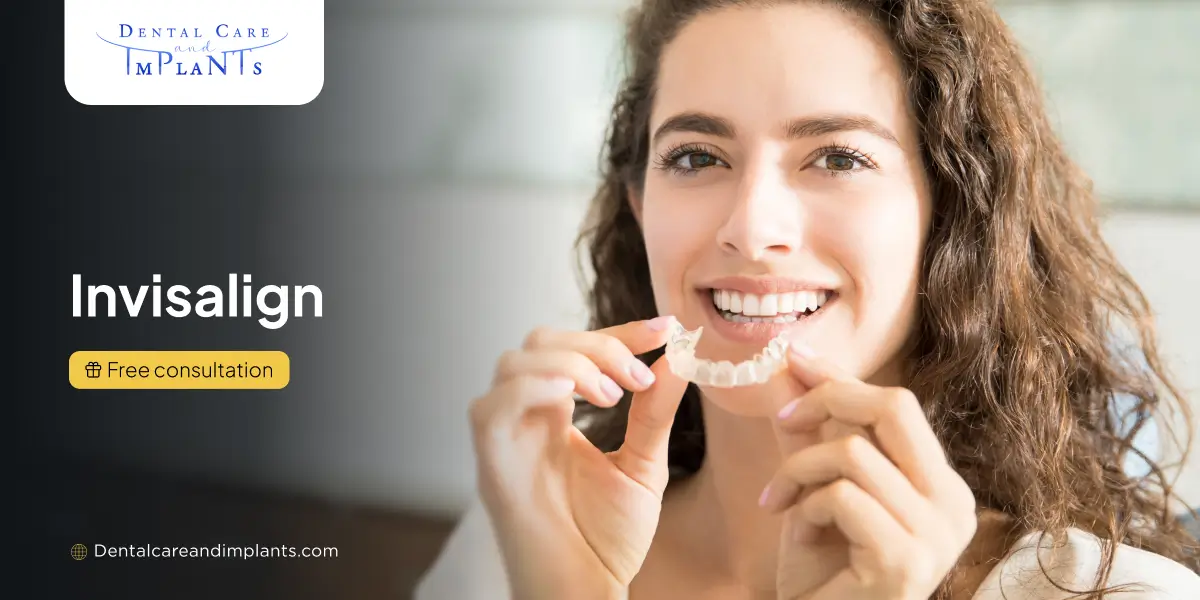
Imagine you saw someone with super crooked teeth suddenly turning up with a perfectly straight smile. Upon asking, they tell you they got invisalign (invisible braces), that’s why you never actually ‘saw’ them with braces. Fair enough. You get reminded of how you’ve always wanted to get straighter teeth but couldn’t because you were averse to the looks of metal braces. But now it seems like invisalign can turn your wish into reality, just the way you wanted to! But here’s something that makes you concerned: how does invisalign work? Is it even safe for your teeth?
The way invisalign fixes crooked teeth almost feels ‘mysterious’ to you, so you want to be sure about it before you go ahead with the thought. Sounds relatable? It’s not just you, so many beginners (who hear about invisalign for the first time or are simply unaware of clear aligners’ mechanics) have this question in mind, but they never ask it out loud. They instead let their concerns stay unattended. The result? They never get invisalign and are held back from a potentially life changing (in a good sense) experience.
If you wish to know the ins and outs of invisalign, this blog is for you! Read more to know the working mechanism of Invisalign and whether it’s the right treatment choice for you.
What Is Invisalign: A Basic Overview
As a beginner, you should first get your basics straight in terms of what invisalign is, then proceed to learning about how it works. Invisalign is basically a brand of clear aligners (also known as invisible/clear braces). For context, braces are orthodontic devices that help fix misaligned teeth and bite issues like overbite/underbite/crossbite etc.
Traditionally, braces are made of visible metal (mostly stainless steel) and have 3 core components, namely: the archwire, brackets, and ligatures. Invisible braces also have the same components but they’re all technically invisible because they’re made from a ‘transparent’ material. This particular brand of clear braces (i.e. invisalign) has received immense popularity due to its premium material, durability and impeccable success rates.
The brand is so popular and trusted that it has come to be literally synonymous with invisible braces in that lay people are often seen referring to clear braces as invisalign (not knowing that it’s a specific brand and not a general term for clear braces). So, this distinction should be made clear to you as a beginner.
In general, invisible braces are made from medical grade transparent plastic of varying qualities. Invisalign, however, is made of a material called SmartTrack, which is a BPA-free medical grade polyurethane resin. This technically is also transparent plastic but it’s much higher in quality, durability and biocompatibility than the plastics generally used in clear braces. This is why it has a proprietary status, meaning no other brand can use it.
How Does Invisalign Work?
This is the ultimate question that sends many people into a state of wonder and amazement. The way invisalign works seems like a mystery of sorts, but we know there must be some ‘solid principle’ driving the invisible change. And it’s not just about invisalign. Whether you get invisalign or any other brand of invisible braces, the underlying working mechanism remains essentially the same.
So, for a beginner like you, it’s more about knowing that ‘core’ mechanism and understanding it so you may feel confident before opting for the treatment. Basically, invisalign (or any other invisible braces for that matter) work on the principle of bone remodeling. This is the same principle that drives metal braces to shift teeth from their initial misaligned position to the desired perfect position.
Here’s how bone remodeling works in the case of clear braces:
- The dentist gives you a series of custom-made (made according to your unique dental anatomy and orthodontic needs) clear aligners or trays.
- Each aligner in the series is to be worn for a specified duration, which is communicated to you by the dentist. Usually you get to wear each one for about 20-22 hours (whole day minus the time for eating) for a period of 2 weeks. Once this duration is over, the current aligner is taken off and replaced by the next set in the series.
- What happens is that each individual aligner puts gradual but highly calculated pressure on your teeth. The wires, brackets and ligatures in the aligner slowly push the teeth from their initial position, which causes the bone in that area to resorb (break down).
- As the jawbone resorbs as a consequence of the pressure exerted by the aligner, there’s a concurrent formation of new bone where the teeth are being pushed to.
- The same cycle of bone resorption and formation keeps going on until the teeth are brought to their desired position.
Can You Treat Different Orthodontic Issues With Invisalign?
Yes you can! Varying dental issues (like crowding, overbite, underbite, etc.) can be treated with the help of invisalign. But how? Well, it’s all strategy and planning! Most mild to moderate orthodontics issues can be effectively corrected with invisalign if only the dentist comes up with the right strategy and executes it with precision. Depending on your unique needs, your orthodontist decides the ‘exact’ amount of pressure to be exerted by each aligner in the series, the precise teeth to target and the duration of pressure exertion for optimal results. Advanced tools like 3D imaging are utilized here to visualize your teeth from the inside out, which makes treatment planning a lot more precise and effective.
Conclusion
To conclude, invisalign essentially works exactly the same way as traditional metal braces do, except that it works invisibly. It has invisible components (wires, brackets and bands) that pressurise teeth into shifting from their original crooked position to the desired orientation using the principle of bone remodeling.
Wish to get yourself evaluated for invisalign eligibility? Schedule a FREE consultation with Dental Care and Implants, a premium dental practice located in Texas. Talk to our team of expert orthodontists and pave your way to a straight and beautiful smile!